Understanding SIBO & IMO: a hidden cause of gut trouble

You’ve tried cutting out gluten. You’ve gone dairy-free. You’ve taken probiotics, followed a low FODMAP diet, and maybe even tried a course of antibiotics. And yet — the bloating is still there. The fatigue. The unpredictable digestion. The brain fog that no amount of sleep seems to fix.
If this sounds familiar, Small Intestinal Bacterial Overgrowth (SIBO) — or its close cousin, Intestinal Methanogen Overgrowth (IMO) — could be the missing piece.
Contents
What is SIBO & IMO?
SIBO: Bacteria in the wrong place
Your small intestine is meant to be relatively low in bacteria. SIBO happens when bacteria from the large intestine migrate upward into the small intestine, where they begin fermenting undigested carbohydrates and fibre prematurely. This fermentation produces gases — hydrogen, methane, or hydrogen sulphide (H2S)— that trigger inflammation, disrupt nutrient absorption, and create the cascade of symptoms many people live with for years without answers.
Hydrogen SIBO
Hydrogen is produced by specific overgrown bacteria such as E. coli and Klebsiella. This type of SIBO often presents as diarrhoea.
Intestinal Methanogen Overgrowth (IMO) or Methane SIBO
Rather than bacteria, IMO involves an overgrowth of archaea — single-celled microorganisms that produce methane gas, both in the small and in the large intestine. IMO is often associated with constipation and tends to be more stubborn to treat than hydrogen SIBO, because methane-producing archaea (M.smithii and other methanogens) respond differently to standard antimicrobial protocols. If your main symptom is chronic constipation that hasn’t improved despite your best efforts, IMO is worth investigating.
Hydrogen Sulfide SIBO
This SIBO type is less common, and it can present with diarrhoea or constipation. It is associated with an overgrowth of Proteus mirabilis in the small intestine, and of Fusobacterium varium and Desulfovibrio piger in the large intestine
Mixed SIBO
Mixed SIBO is characterised by the presence of both hydrogen and methane gases, often correlating with alternating diarrhoea and constipation. Hydrogen sulfide may also be involved.
Studies suggest that SIBO may be the underlying cause in as many as 1 in 3 people with IBS — and potentially higher depending on testing method — yet it remains widely undiagnosed and misunderstood.
Common symptoms of SIBO
SIBO and IMO symptoms can overlap significantly. They range from mild and intermittent to debilitating and daily. Common signs include:
- Bloating and abdominal distension (often worse after eating or by evening)
- Abdominal pain or cramping
- Diarrhoea, constipation, or alternating between both
- Excessive flatulence or belching
- Nausea
- Food intolerances — lactose, fructose, histamine, and more
- Fatigue, brain fog, and difficulty concentrating
- Mood changes, anxiety, or low mood
- Nutrient deficiencies — particularly B12, iron, and fat-soluble vitamins (A, D, E, K)
What makes SIBO and IMO so easy to miss is that many of these symptoms are routinely attributed to IBS, stress, or food sensitivity — without investigating why those issues exist in the first place.
What causes SIBO & IMO?
Several factors can contribute to SIBO, including:
- Slow gut motility — often linked to stress, diabetes, thyroid dysfunction, or ageing
- Low stomach acid — from long-term PPI use, chronic stress, or age-related decline
- Impaired bile or digestive enzyme production
- Structural issues — adhesions, strictures, or scar tissue from surgery
- Chronic illness — IBD, hypothyroidism, autoimmune conditions
- Past infections, food poisoning, or antibiotic use that disrupted the microbiome
- A poorly functioning ileocaecal valve, which normally prevents backflow from the large intestine
Identifying your underlying drivers is key — without addressing root causes, SIBO and IMO tend to relapse even after successful treatment.
Conditions associated with SIBO & IMO
SIBO doesn’t just affect digestion—it can have wide-reaching effects throughout the body. Because it disrupts nutrient absorption, immune balance, and gut-brain communication, SIBO is often linked to a surprising number of conditions. From common digestive issues like IBS and acid reflux to skin problems (e.g. Rosacea), fatigue, and even mood disorders, understanding the broader impact of SIBO can be key to addressing chronic, unexplained symptoms. Below is a table highlighting the many conditions associated with SIBO.
| Category | Associated Conditions |
|---|---|
| Digestive / GI | IBS (diarrhoea, constipation, or mixed) Acid reflux / GERD Leaky gut Celiac disease (non-responsive) Crohn’s disease Chronic diarrhoea or constipation Bloating, flatulence, and belching Nausea Malabsorption & steatorrhea Weight gain or loss |
| Skin / Dermatological | Rosacea Acne-like rashes Itchy skin Flushing |
| Neurological / Cognitive | Brain fog Headaches Fatigue Memory issues Restless legs Peripheral neuropathy Insomnia |
| Mental Health | Anxiety Depression Poor sleep |
| Autoimmune / Inflammatory | Hashimoto’s thyroiditis Scleroderma Ehlers-Danlos Syndrome Rheumatoid arthritis Fibromyalgia |
| Metabolic / Endocrine | Hypothyroidism Diabetes Metabolic syndrome Non-Alcoholic Fatty Liver Disease (NAFLD) Liver cirrhosis |
| Immune / Infectious | HIV/AIDS IgA deficiency Helicobacter pylori Chronic viral syndromes Recurrent fungal/candida overgrowth |
| Structural / Functional | Ileocaecal valve dysfunction Adhesions & scar tissue Intestinal strictures Pseudo-obstruction (e.g., Parkinson’s) |
| Other | Chronic Fatigue Syndrome (ME/CFS) Autism spectrum disorders Anaemia (B12 or iron-deficiency) Histamine intolerance POTS (Orthostatic hypotension) Bladder pain (Interstitial cystitis) Polyneuropathy |
Testing for SIBO & IMO
The most widely used method is a breath test, which measures hydrogen and methane gases in your breath after consuming a solution of glucose or lactulose. Because hydrogen and methane are produced by bacteria and archaea in your gut (not your body’s own cells), elevated levels indicate overgrowth.
Hydrogen SIBO and methane-dominant IMO require different treatment protocols, which is why testing — rather than assuming — is valuable. The hydrogen sulphide SIBO test is not readily available in the UK, but a careful symptoms review, sensitivity to high sulphur foods (onions, garlic), a distinct rotten-egg smelling flatulence, a flatline on a SIBO/IMO test, or an overgrowth of hydrogen sulphide-producing bacteria (e.g. Desulfovibrio, Bilophila wadsworthia) on a stool test can point towards H2S SIBO.
Testing is not always essential, but it can meaningfully guide treatment, especially in complex or recurring cases. I work with the OMED SIBO/IMO breath test, which allows you to use a breath analyser at home and get an instant result without the need to send the samples to the lab.
️Dietary approaches
Diet alone will not resolve SIBO or IMO — but it is an important part of managing symptoms and supporting treatment. Key approaches include:
- Low FODMAP Diet: Reduces fermentable carbohydrates that feed bacteria and archaea, easing symptoms during treatment
- SIBO-Specific Food Guide (Dr Siebecker): Combines low FODMAP and specific carbohydrate principles for a more targeted approach
- Bi-Phasic Diet: A structured two-phase protocol designed to reduce bacterial load and then begin rebuilding gut health
- Elemental Diet: A medically formulated liquid diet used in severe cases — this must only be done under supervision from a qualified practitioner
Meal spacing is also important: allowing 4–5 hours between meals (and avoiding snacking) activates the Migrating Motor Complex (MMC) — the gut’s natural ‘housekeeping wave’ that sweeps bacteria out of the small intestine. Chronic grazing is one of the most common habits that perpetuates SIBO.
Supplements that may help
⚠️ Important Disclaimer: Always consult a qualified healthcare practitioner before starting any supplement protocol for SIBO or IMO. Effectiveness varies by SIBO type, individual health status, medications, and sensitivities. Some supplements — such as oregano oil used long-term, or betaine HCl in those with ulcers — can cause harm if used inappropriately. A personalised approach is always safer and more effective.
Digestive support
Ensuring food is properly broken down before it reaches the small intestine helps prevent bacterial fermentation.
- Betaine HCl — supports stomach acid levels
- Ox bile — supports fat digestion and bile flow
- Digestive enzymes — help break down proteins, carbohydrates, and fats
Gut lining & immune support
These nutrients help calm inflammation, support the gut lining, and promote a balanced immune response.
- L-glutamine — helps repair the intestinal lining
- Vitamin D — supports immune function and mucosal integrity
- Saccharomyces boulardii — a beneficial yeast that supports microbiome balance
- Zinc and antioxidants — modulate inflammation and reinforce the gut barrier
Herbal antimicrobials
The most appropriate antimicrobial approach depends on the type of gas being produced:
- Hydrogen SIBO: Consider botanicals such as berberine, oregano oil, and antimicrobial herbal blends.
- Methane SIBO: Garlic-derived compounds (e.g., allicin) and oregano oil may be helpful.
- Hydrogen Sulphide SIBO: Supportive nutrients include zinc, molybdenum, and bismuth compounds to help neutralise sulphur gases.
Probiotics and prebiotics
Responses to probiotics are highly individual, and some strains may worsen symptoms. Introduce cautiously and ideally with guidance. The table below outlines strains and prebiotics that may be appropriate by type:
| SIBO Type | Probiotics Often Used | Prebiotics Considered |
|---|---|---|
| Hydrogen SIBO | L. plantarum, S. boulardii, B. coagulans (spore) | Low-dose PHGG |
| Methane SIBO | L. reuteri DSM 17938, B. coagulans, B. subtilis | Cautious use of PHGG/acacia |
| H2S SIBO | S. boulardii, L. plantarum, spore-based strains | Very low-dose PHGG |
Biofilm Disruptors
Some bacteria form protective biofilms that shield them from treatment. Biofilm-disrupting agents may be used alongside antimicrobials:
- Caprylic acid — a natural fatty acid from coconut
- N-Acetyl Cysteine (NAC) — supports mucolytic activity and detoxification
- Curcumin — anti-inflammatory and supports biofilm breakdown
Lifestyle: the often overlooked piece
In clinical practice, I find that unresolved chronic stress is one of the most common reasons SIBO keeps coming back. Stress slows gut motility, reduces stomach acid, and dysregulates the immune response — all of which create the perfect conditions for bacterial overgrowth to take hold again.
- Mindful eating: Chew thoroughly, eat slowly, and reduce distractions at mealtimes
- Gentle movement: Yoga, walking, and breathing exercises all support motility and the nervous system
- Stress reduction: Meditation, deep breathing, and consistent sleep are not optional extras — they are part of treatment
- Oral hygiene: Poor dental health can introduce bacteria into the digestive tract; don’t neglect it
A note on individual variation
SIBO and IMO are not one-size-fits-all conditions. What works well for one person can worsen symptoms in another — particularly with probiotics containing D-lactate-forming strains, or supplements containing sulphur. This is why working with a knowledgeable practitioner who can tailor your protocol to your specific type, history, and sensitivities is so valuable.
Ready to find some answers?
SIBO and IMO can feel like a mystery — persistent symptoms that don’t respond to the usual advice, and a sense that something is being missed. The good news is that with the right testing, a personalised dietary and supplement plan, and support to address the root causes, real improvement is possible.
If your gut has felt off for a long time and nothing has really helped, it might be time to take a different approach.
Book a free 20-minute inquiry call today, and let’s have a chat.
Recent posts
Note: This page is intended for general educational purposes. It does not constitute medical advice. Always consult a qualified healthcare practitioner before making changes to your diet, supplements, or treatment plan.
Recent blog articles
 https://www.annapinnock.co.uk/wp-content/uploads/2026/05/microbiome-3.jpg
400
640
apinnock
https://annapinnock.co.uk/wp-content/uploads/2017/09/logo_Anna-Pinnock-t2.png
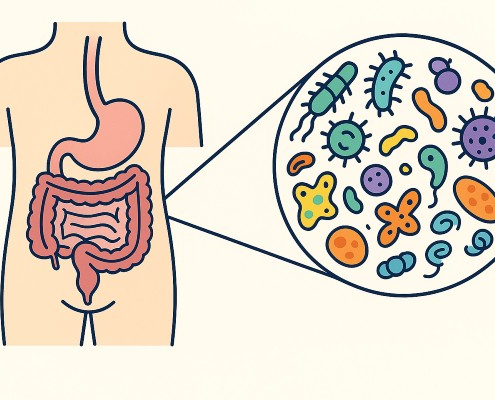
apinnock2026-05-08 15:37:582026-05-08 15:57:46What is the gut microbiome – and why should you care?
https://www.annapinnock.co.uk/wp-content/uploads/2026/05/microbiome-3.jpg
400
640
apinnock
https://annapinnock.co.uk/wp-content/uploads/2017/09/logo_Anna-Pinnock-t2.png
apinnock2026-05-08 15:37:582026-05-08 15:57:46What is the gut microbiome – and why should you care? https://www.annapinnock.co.uk/wp-content/uploads/2026/04/Understanding-SIBO-and-IMO.jpg
400
640
apinnock
https://annapinnock.co.uk/wp-content/uploads/2017/09/logo_Anna-Pinnock-t2.png
apinnock2026-04-30 14:44:492026-05-01 11:58:39Understanding SIBO & IMO: a hidden cause of gut trouble
https://www.annapinnock.co.uk/wp-content/uploads/2026/04/Understanding-SIBO-and-IMO.jpg
400
640
apinnock
https://annapinnock.co.uk/wp-content/uploads/2017/09/logo_Anna-Pinnock-t2.png
apinnock2026-04-30 14:44:492026-05-01 11:58:39Understanding SIBO & IMO: a hidden cause of gut trouble https://www.annapinnock.co.uk/wp-content/uploads/2026/03/which-diet-for-Hashimotos-e1773847589694.jpg
400
640
apinnock
https://annapinnock.co.uk/wp-content/uploads/2017/09/logo_Anna-Pinnock-t2.png
apinnock2026-03-19 16:05:202026-03-25 16:28:10Hashimoto’s and diet: what does the research actually say?
https://www.annapinnock.co.uk/wp-content/uploads/2026/03/which-diet-for-Hashimotos-e1773847589694.jpg
400
640
apinnock
https://annapinnock.co.uk/wp-content/uploads/2017/09/logo_Anna-Pinnock-t2.png
apinnock2026-03-19 16:05:202026-03-25 16:28:10Hashimoto’s and diet: what does the research actually say?