Hashimoto’s & diet: what does the research actually say?
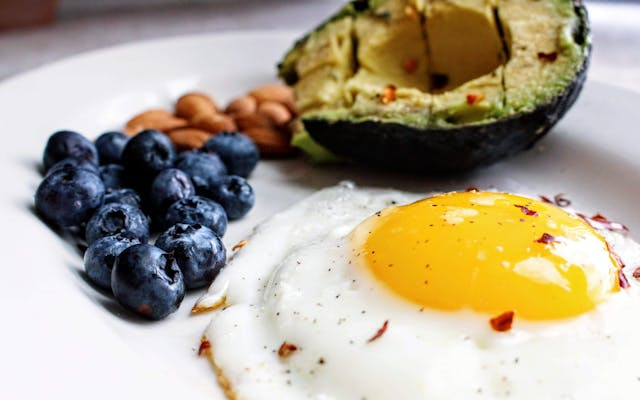
If you have Hashimoto’s, you have probably spent hours searching for the ‘right’ diet. Gluten-free, dairy-free, AIP, Paleo, Mediterranean — there is no shortage of advice out there, and much of it contradicts itself. It can feel overwhelming, especially when you are already tired, foggy, and just want to feel better.
This article goes through the main dietary approaches being studied in Hashimoto’s and explains what the research actually shows — in plain language. I’ll be honest about where the evidence is strong, where it is promising but limited, and where there simply is not enough research yet to say anything definitive.
A quick note before we dive in: Most of the studies in this area are relatively small, and many only run for a few months. That means results should not be taken as absolute. What works brilliantly for one person may do very little for another — which is exactly why a personalised approach, rather than following a one-size-fits-all protocol, tends to get the best results.
Contents
- A quick guide to the terms you’ll see in this article
- Gluten-free diet: worth trying — but not for everyone
- Lactose-free diet: the often-missed reason your medication might not be working
- The Autoimmune Protocol (AIP) diet: the best evidence for feeling better day-to-day
- Mediterranean diet: the most practical and well-rounded option
- Paleo diet: a good starting point, with promising results
- Soya-free diet: two separate reasons it might be worth considering
- Quick comparison of all dietary approaches
- So which diet is best for Hashimoto’s?
- Book a free inquiry call
A quick guide to the terms you’ll see in this article
You will come across a few thyroid-related terms throughout this article. Here is a simple guide:
- TSH (thyroid-stimulating hormone): This is the main blood test your GP uses to check thyroid function. It is produced by the brain to tell the thyroid to make more hormone. A high TSH usually means your thyroid is struggling — the brain is sending more and more signals because the thyroid is not responding well enough. A low TSH can mean the opposite.
- FT4 and FT3 (free thyroxine and free triiodothyronine): These are the actual thyroid hormones in your blood. Low FT4 or FT3 means your thyroid is not producing enough hormone. FT3 is the more active form.
- TPO antibodies and TgAb: These are the immune proteins (antibodies) that are attacking your thyroid in Hashimoto’s. The higher they are, the more active the autoimmune process tends to be. Reducing them is one of the main goals of a Hashimoto’s-focused approach.
- Levothyroxine (L-T4): The most commonly prescribed thyroid medication, which replaces the hormone your thyroid is not making enough of.
- When a study finds a ‘real difference’: Throughout this article, when I say a study found ‘a real difference’ or ‘a meaningful improvement’, I mean that the researchers confirmed the result was unlikely to have happened by chance — not just a random fluctuation in the numbers.
1. Gluten-free diet: worth trying — but not for everyone
The gluten-free diet is probably the most talked-about dietary approach in the Hashimoto’s community. Gluten is a protein found in wheat, barley, and rye — and there are good reasons why it may be a problem for some people with Hashimoto’s.
One reason is that gluten can irritate the lining of the gut in some people, making it more ‘leaky’ and allowing immune-triggering substances to get into the bloodstream. There is also a structural similarity between certain gluten proteins and thyroid tissue — meaning the immune system, already confused in Hashimoto’s, may attack the thyroid partly because it is reacting to gluten. This is sometimes called ‘molecular mimicry’, but in simple terms: the immune system mistakes your thyroid for gluten. There is also a well-established link between coeliac disease (a severe gluten intolerance) and Hashimoto’s — people with one are significantly more likely to have the other.
What the studies found
A large research review published in 2023 pulled together results from four separate studies involving 87 people with Hashimoto’s who did not have coeliac disease. It found that following a gluten-free diet led to a meaningful drop in TSH — meaning the thyroid was working better — and a meaningful rise in FT4, the main thyroid hormone. Antibody levels (TPO-Ab and TgAb) did go down in many participants, but the improvement was not consistent enough across all studies to be conclusive. The most reliable findings were the improvements in TSH and FT4.
A 6-month study in 2019 looked at 34 women with Hashimoto’s who were not yet on any thyroid medication and whose thyroid levels were still within normal range. After following a gluten-free diet for 6 months, their thyroid antibodies (both TPO-Ab and TgAb) fell by around 24% compared to women who made no dietary changes. Their vitamin D levels also improved slightly, which may suggest their gut was absorbing nutrients better.
A 12-week trial in 2023 put 40 newly diagnosed, untreated Hashimoto’s patients into four groups: gluten-free only, Mediterranean diet only, a combination of both, and no dietary change. All three dietary intervention groups saw improvements in their active thyroid hormone (FT3), with the Mediterranean group showing the greatest improvement. The gluten-free group also showed a meaningful drop in TSH compared to the no-change group.
The most recent and rigorous review from 2025, which only looked at the highest quality trial designs, included three studies and 110 participants. It concluded that the evidence for a gluten-free diet in people with Hashimoto’s who don’t have coeliac disease is still uncertain, largely because the studies were too small and too short. Better, longer studies are needed.
Who benefits most?
The research suggests the gluten-free diet is most helpful for people who have an underlying gluten sensitivity — either coeliac disease or non-coeliac gluten sensitivity. When researchers looked specifically at this group, they found much clearer reductions in thyroid antibodies. For people without any gluten-related condition, the benefits are less predictable.
This is why it is worth getting tested for coeliac disease before going gluten-free — the blood test only works if you are still eating gluten, so do it first.
Practical tips
Give it at least 6 months before deciding whether it is working for you. And focus on naturally gluten-free foods — meat, fish, eggs, vegetables, rice, and quinoa — rather than the processed ‘gluten-free’ versions of bread and biscuits, which are often high in sugar and low in nutrients.
2. Lactose-free diet: the often-missed reason your medication might not be working
This one is less about reducing antibodies and more about making sure your thyroid medication — if you are on it — is actually being absorbed properly. If you take levothyroxine (the most common thyroid medication), this section is particularly important to read.
What the studies found
A landmark study in 2014tested 83 people with Hashimoto’s who were taking levothyroxine for lactose intolerance, which is the inability to digest the natural sugar found in dairy products. The result was striking: nearly 76% tested positive for lactose intolerance — around two to three times higher than you would expect in the general population. When these patients cut lactose from their diet for 8 weeks, their TSH levels dropped meaningfully, suggesting their thyroid medication was suddenly being absorbed much more effectively. The people who were not lactose intolerant showed no change, which confirmed it really was the lactose causing the problem.
An Italian study from 2014 documented patients who had been taking ever-increasing doses of levothyroxine without ever getting their TSH under control. When it was discovered they were lactose intolerant, switching them to a lactose-free version of their medication at a much lower dose finally stabilised their thyroid levels.
A 2006 case report described a patient who appeared completely resistant to levothyroxine treatment. The underlying cause turned out to be undiagnosed lactose intolerance, which was preventing the medication from being properly absorbed.
Why does this happen?
When someone with lactose intolerance eats dairy, the undigested lactose ferments in the gut, altering the environment in the small intestine. Levothyroxine is a medication that needs very specific conditions to be absorbed properly — and this disruption can significantly reduce how much of it actually gets into the bloodstream.
What to do about it
Because lactose intolerance is so much more common in people with Hashimoto’s, it is worth investigating if your TSH is difficult to stabilise, if your dose keeps needing to go up, or if you feel symptomatic despite your blood results looking normal. A simple breath test can confirm it. It is also worth checking whether your specific brand of levothyroxine contains lactose as a filler — many tablet forms do — and asking your GP or pharmacist about lactose-free liquid or soft-gel alternatives.
3. The Autoimmune Protocol (AIP) diet: the best evidence for feeling better day-to-day
The Autoimmune Protocol (AIP) diet is one of the most comprehensive elimination diets available. It was developed primarily by Dr Sarah Ballantyne and is based on removing every food that could potentially trigger an immune reaction — grains, dairy, eggs, legumes, nuts and seeds, nightshade vegetables (like tomatoes, peppers, and aubergine), alcohol, coffee, seed-based spices, and all processed foods. In their place, it emphasises nutrient-dense whole foods: quality meats, fish, offal, bone broth, fermented foods, and a wide range of vegetables.
The idea is to give the immune system a complete break from potential food triggers, allow the gut lining to heal, and then systematically reintroduce foods one at a time to identify what your individual immune system is reacting to. It is demanding — but for many people with Hashimoto’s, particularly those who have struggled to feel well despite medication, the results can be striking.
What the studies found
The first proper clinical study of AIP in Hashimoto’s was published in 2019. Seventeen women aged 20–45 with Hashimoto’s took part in a 10-week programme combining the AIP diet with health coaching. Here is what happened:
- The number of symptoms people reported fell dramatically: from an average of 92 symptoms at the start to just 29 by the end.
- Quality of life improved significantly — including energy levels, ability to carry out daily activities, emotional well-being, and general health.
- A marker of inflammation in the blood (called hs-CRP) fell by 29% on average.
- Changes in immune cell activity suggested the immune system was becoming better regulated.
- 6 of the 13 women who were taking thyroid medication were able to reduce their dose over the 10 weeks.
- Thyroid antibodies and thyroid hormone levels did not change significantly — an important finding, explained below.
A 2023 Polish study followed 28 people with Hashimoto’s whose thyroid levels were still in the normal range on AIP for 12 weeks. Participants reported marked improvements in fatigue, brain fog, concentration, and dry skin. Thyroid antibody levels showed a mixed picture — one type went down slightly, while the other went up by around 40%, which the researchers believed was linked to the fact that many participants had unintentionally eaten much less overall on the AIP diet. The authors felt that a longer, more carefully supported AIP protocol would likely produce more consistent results.
Why didn’t antibodies go down in the short studies?
This surprises a lot of people — but it is actually not unusual, and it does not mean the diet isn’t working. Most participants in the Abbott study from 2019 had relatively modest antibody levels to begin with, and 10 weeks is simply not long enough to expect significant antibody changes. The bigger picture is that feeling better, having more energy, reducing medication, and lowering inflammation are all genuinely meaningful outcomes.
How to approach AIP
AIP is intensive and works best with support from a nutritional therapist or AIP-certified health coach who can make sure you are eating enough of the right things and guide you through reintroduction properly. A minimum of 90 days on the full elimination phase is recommended before you start reintroducing foods. The goal is not to stay restricted forever — it is to find out which specific foods your immune system reacts to, so you can make informed long-term choices.
4. Mediterranean diet: the most practical and well-rounded option
The Mediterranean diet is built around plenty of vegetables, fruits, legumes, whole grains, fish, and extra-virgin olive oil, with limited red meat, processed food, and added sugar. It is one of the most studied dietary patterns in the world and has a strong reputation for reducing inflammation and supporting immune health. Increasingly, research is looking at what it can do specifically for Hashimoto’s — and the results are genuinely encouraging.
What the studies found
A 2024 study put 40 women with Hashimoto’s on a modified Mediterranean diet for 3 months. Some were already on thyroid medication; others were not. Both groups saw meaningful reductions in their thyroid antibodies (both TPO-Ab and TgAb), as well as improvements in cholesterol levels, body weight, and quality of life. The quality of life improvements were measured using a validated Hashimoto’s-specific questionnaire called the ThyPRO.
The 4-way comparison trial in 2024 that compared gluten-free, Mediterranean, a combination of both, and no dietary change found that all three dietary approaches improved active thyroid hormone (FT3) — but the Mediterranean group showed the greatest improvement. The authors suggested the Mediterranean diet may actually produce better thyroid hormone improvements than a gluten-free diet alone.
A detailed 2023 review explored the specific reasons why the Mediterranean diet might help in Hashimoto’s. The key findings: extra-virgin olive oil contains powerful anti-inflammatory compounds; omega-3 fatty acids from fish reduce the type of inflammation that drives autoimmune conditions; the diet promotes a healthy, diverse gut bacterial community; and it naturally provides good amounts of selenium, zinc, and iodine — all nutrients the thyroid absolutely depends on.
A large US dataset also found that people eating more pro-inflammatory diets had higher TSH levels and worse thyroid function, while those eating more anti-inflammatory diets (in line with Mediterranean principles) had better thyroid health overall.
Why this diet works well for Hashimoto’s
Aside from its anti-inflammatory effects, the Mediterranean diet is naturally rich in the specific nutrients the thyroid needs most — selenium (from fish and legumes), zinc (from fish and meat), vitamin D (from oily fish), and iodine (from fish and dairy). It also cuts out the ultra-processed foods and excess sugar that disrupt gut bacteria and promote inflammation. And unlike the AIP, it is genuinely sustainable long-term.
Practical tips
If you find stricter diets like AIP too overwhelming, or you’ve already tried going gluten-free without much benefit, the Mediterranean diet is an excellent foundation to build on. One modification worth making for Hashimoto’s: go easy on seaweed and kelp — they are very high in iodine, which in excess can worsen Hashimoto’s. And make sure oily fish like sardines, mackerel, and tuna feature regularly for their selenium content.
5. Paleo diet: a good starting point, with promising results
The Paleo diet focuses on foods that would have been available to our ancestors — lean meats, fish, vegetables, fruits, nuts, and seeds. It cuts out grains, dairy, legumes, processed foods, and refined sugars. Because it is naturally free from gluten and dairy, it removes two of the most common potential immune triggers for people with Hashimoto’s. It also forms the foundation of the AIP diet — think of AIP as Paleo with even stricter rules during the elimination phase.
What the studies found
A thorough 2023 review of the available evidence looked at eight studies — mainly smaller trials and case studies lasting between 8 and 60 weeks — covering both Hashimoto’s and Graves’ disease (another autoimmune thyroid condition). Here is what they found:
- Every single one of the eight studies showed some clinical improvement.
- Two of the eight studies showed complete resolution of the condition — meaning antibody levels returned to normal and thyroid function was restored without medication.
- Six out of eight (75%) showed significant improvements in both thyroid markers and how people felt day-to-day.
- The diet naturally provides good levels of selenium, zinc, and iodine from fish and meat — nutrients that are critical for thyroid health.
The reviewers concluded that cutting modern processed foods and replacing them with whole, nutrient-rich foods has a meaningful impact on thyroid antibodies and thyroid hormones. However, they also noted that larger, more rigorous trials are needed before Paleo can be formally recommended as a clinical treatment.
One important caution: a 2-year trial (mentioned in the Hollywood review) found that following a strict Paleo diet may leave some people low in iodine — because dairy, which is excluded on Paleo, is one of the main iodine sources in many Western diets. If you are following Paleo, make sure you are getting iodine from other sources, particularly fish and seafood.
Paleo vs AIP — what is the difference?
AIP is essentially a stricter version of Paleo. It removes a few extra foods that Paleo allows — eggs, nightshade vegetables (tomatoes, peppers, aubergine, potatoes), nuts, seeds, and seed-based spices — because these may also trigger immune reactions in some people with autoimmune conditions. If you find Paleo is helpful, but you have hit a ceiling with your results, AIP may be worth trying as a next step. Equally, Paleo is a great first step for anyone who is new to dietary changes and not yet ready to commit to the full AIP.
6. Soya-free diet: two separate reasons it might be worth considering
Soya (also spelt soy) is one of the most debated foods in Hashimoto’s circles — and there are actually two quite different reasons it might be a problem, which is worth understanding clearly.
Reason 1: Soya contains compounds that interfere with your thyroid hormone production
Soya contains natural plant compounds called isoflavones — primarily genistein and daidzein. Laboratory studies have consistently shown that these compounds interfere with the production of thyroid peroxidase (TPO) — the enzyme the thyroid needs to make thyroid hormone. If that name rings a bell, it is because TPO is also the enzyme that your immune system is producing antibodies against in Hashimoto’s. In other words, you already have an immune attack on this enzyme, and soya may add a layer of interference on top of that.
A landmark study in this area in 1997 was the first to map out exactly how this interference works. Importantly, the researchers also found that adequate iodine intake seemed to cancel out the effect, which is one reason why soya appears most problematic in people who are also low in iodine.
A large review of 18 clinical trials found that people taking soya supplements had a small but real rise in TSH compared to those who did not, particularly when they consumed it for three months or more, and particularly in those who already had mildly underactive thyroids. In otherwise healthy people with good iodine levels, the effect on thyroid hormones was minimal.
Reason 2: Soya can reduce how much thyroid medication you absorb
This is the more immediately practical concern for anyone taking levothyroxine. Soya is officially listed in pharmacology guidelines as something that impairs how well levothyroxine is absorbed in the gut. In simple terms: if you take your thyroid medication and eat soya around the same time, less of the medication may be making it into your bloodstream — and your thyroid levels may remain uncontrolled as a result.
A published case report in 2001 described a woman who had been taking unusually high doses of levothyroxine without her thyroid levels stabilising. It turned out she was having a soya protein shake just after taking her medication every morning. Once the timing was changed, her thyroid stabilised at a much lower dose. Paediatric cases have documented something even more striking: infants on soya-based formula who were also prescribed levothyroxine remained severely hypothyroid on high doses — until the soya was removed.
A retrospective study also found meaningfully higher TSH levels in people eating a soya-heavy diet compared to those who were not, consistent with reduced medication absorption.
But populations like Japan eat soya all the time…
This is a fair and important point. Japanese and Chinese populations have eaten soya as a dietary staple for generations, and they do not have higher rates of Hashimoto’s than populations that consume less soya. Cross-sectional studies have found no clear link between habitual moderate soya consumption and higher TPO antibodies in iodine-sufficient populations. This suggests that soya, eaten in moderate amounts as part of a balanced diet with adequate iodine and selenium, is not a problem for most people.
So who should actually consider avoiding soya?
The evidence points most clearly to two groups. First, anyone on levothyroxine whose TSH is difficult to stabilise, who keeps needing dose increases, or who feels unwell despite medication, and who regularly eats soya. If that sounds familiar, at the very minimum, soya should be consumed at least 3–4 hours away from your medication, rather than alongside it. Second, anyone who notices symptoms when they eat soya — gut discomfort, brain fog, palpitations, or fatigue. For everyone else, moderate dietary soya (particularly fermented forms like miso and tempeh) in the context of an otherwise anti-inflammatory diet is unlikely to cause significant harm. If you are unsure, a 6–8 week trial without soya, followed by reintroduction, is a simple, low-risk way to find out.
Important
Iodine levels need careful management in Hashimoto’s — too little impairs thyroid hormone production, but too much can actually aggravate the autoimmune response and trigger flares. A urinary iodine test is a simple way to check where your levels currently sit, and periodic thyroid antibody testing (TPO and TgAb) is worthwhile to keep an eye on how your immune system is behaving over time. Want to dive deeper? Read my full article on iodine and thyroid health.
Recent posts
Quick comparison of all dietary approaches
| Diet | How it may help | Effect on antibodies | Effect on TSH/thyroid hormones |
|---|---|---|---|
| Gluten-free | Calms gut immune response; removes a potential trigger that mimics thyroid tissue | Positive trend; clearest benefit in those with gluten sensitivity or coeliac disease | TSH improved; FT4 (thyroid hormone) increased in review (Piticchio 2023) |
| Lactose-free | Improves absorption of thyroid medication (levothyroxine) | Not directly studied | Meaningful TSH drop in lactose-intolerant patients on levothyroxine |
| AIP | Removes all potential immune-triggering foods; allows gut lining to heal | No clear change in short studies; 40% reduction in longer patient surveys (Wentz) | Labs unchanged short-term; dramatic symptom and quality of life improvement; inflammation down 29% |
| Mediterranean | Anti-inflammatory; rich in thyroid-supportive nutrients; supports gut health | Meaningful reduction in both TPO-Ab and TgAb (Abushady 2024) | Best improvement in active thyroid hormone (FT3) of all diets tested; quality of life improved |
| Paleo | Removes gluten and dairy; nutrient-dense; cuts out processed foods | Positive — 75% of studies showed improvements; | Improvements across all 8 studies reviewed |
| Soya-free | Removes interference with thyroid enzyme; improves medication absorption | 34% of Wentz’s survey saw antibody reduction; small TSH rise on soya in review | TSH improved in levothyroxine users once soya removed; small rise in TSH on soya confirmed in review |
So which diet is best for Hashimoto’s?
The honest answer is: there is no single best Hashimoto’s diet. Anyone who tells you otherwise is oversimplifying things. What the research does tell us, very clearly, is this:
- Diet genuinely matters. Every single approach reviewed here produced some kind of measurable benefit — whether in thyroid hormone levels, antibody counts, how people felt, their energy, inflammation levels, or how much medication they needed. Changing what you eat is absolutely worth doing.
- Antibody numbers are not everything. Many of the studies in this article showed significant improvements in how people felt — less fatigue, better brain function, more energy, less gut pain — even when antibody levels did not change in the short term. Feeling better is a meaningful outcome in its own right, not a consolation prize.
- It is not one-size-fits-all. The gluten-free diet works best for people with a genuine gluten sensitivity. Going lactose-free mainly helps those who are lactose intolerant and are having trouble with their medication. AIP tends to produce the most dramatic symptom improvements for people who have struggled to feel well. The Mediterranean diet is the most accessible and broadly supportive for most people.
- Give it time. Most studies showing limited results were very short — often just 8–12 weeks. The approaches that showed the strongest antibody improvements tended to run for 6–12 months. If you make a dietary change, give it a proper run — at least 3 to 6 months — before deciding whether it is working.
Working out which dietary approach is the right fit for you requires a proper look at your full thyroid panel, gut health, nutrient levels, and individual food reactions. I offer 1:1 nutritional therapy consultations for people with Hashimoto’s and autoimmune thyroid disease, alongside a range of specialist testing — including comprehensive gut health panels, food sensitivity testing, and thyroid nutrient assessment. Let’s have a chat – book a free 20-min inquiry call.
Recent blog articles
 https://www.annapinnock.co.uk/wp-content/uploads/2025/05/Thyroid.jpg
400
640
apinnock
https://annapinnock.co.uk/wp-content/uploads/2017/09/logo_Anna-Pinnock-t2.png
apinnock2025-05-29 14:27:082025-06-10 10:57:09How your thyroid affects your metabolism: Key connections
https://www.annapinnock.co.uk/wp-content/uploads/2025/05/Thyroid.jpg
400
640
apinnock
https://annapinnock.co.uk/wp-content/uploads/2017/09/logo_Anna-Pinnock-t2.png
apinnock2025-05-29 14:27:082025-06-10 10:57:09How your thyroid affects your metabolism: Key connections https://www.annapinnock.co.uk/wp-content/uploads/2025/02/stress1.jpg
400
640
apinnock
https://annapinnock.co.uk/wp-content/uploads/2017/09/logo_Anna-Pinnock-t2.png
apinnock2025-02-18 16:34:532025-02-20 09:17:07Stress and autoimmunity: understanding the connection
https://www.annapinnock.co.uk/wp-content/uploads/2025/02/stress1.jpg
400
640
apinnock
https://annapinnock.co.uk/wp-content/uploads/2017/09/logo_Anna-Pinnock-t2.png
apinnock2025-02-18 16:34:532025-02-20 09:17:07Stress and autoimmunity: understanding the connection https://www.annapinnock.co.uk/wp-content/uploads/2024/05/45-leaky-gut-autoimmunity.png
427
640
apinnock
https://annapinnock.co.uk/wp-content/uploads/2017/09/logo_Anna-Pinnock-t2.png
apinnock2024-12-16 15:53:362024-12-16 16:44:42Leaky gut and autoimmunity
https://www.annapinnock.co.uk/wp-content/uploads/2024/05/45-leaky-gut-autoimmunity.png
427
640
apinnock
https://annapinnock.co.uk/wp-content/uploads/2017/09/logo_Anna-Pinnock-t2.png
apinnock2024-12-16 15:53:362024-12-16 16:44:42Leaky gut and autoimmunity