
Red light therapy for Hashimoto’s and thyroid health
Disclaimer: Please note that this page contains affiliate links. While I only recommend products that I believe in, I may benefit financially from any purchases you make.
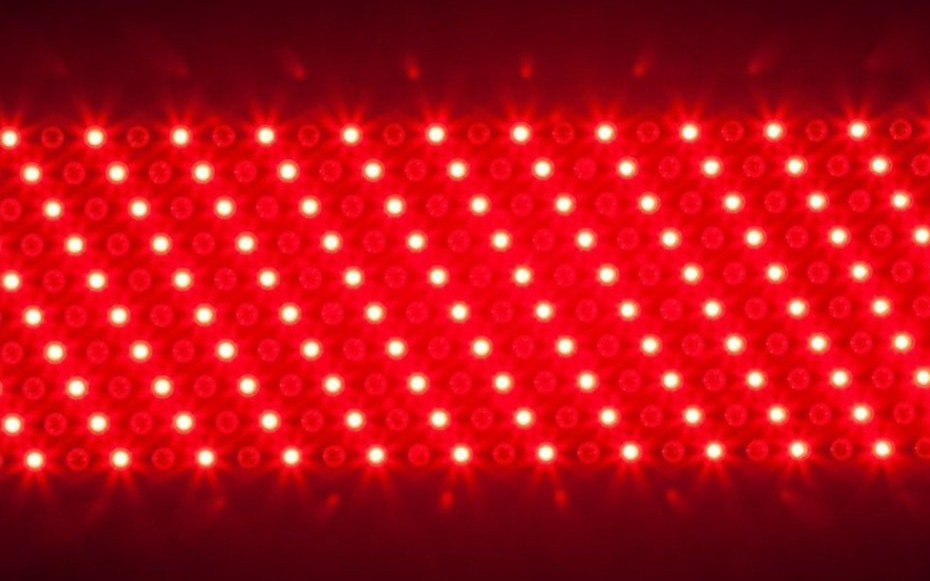
Red light therapy (RLT), also known as photobiomodulation, presents a promising, non-invasive option for improving thyroid health in those with Hashimoto’s thyroiditis. Research has shown that RLT can significantly reduce thyroid antibody levels, which is crucial for managing autoimmune activity in Hashimoto’s. By lowering antibodies, RLT may help decrease the autoimmune attack on the thyroid, potentially improving overall thyroid function and health.
Contents
Thyroid and health benefits of red light therapy
Here’s a detailed overview of benefits based on recent studies:
- Reduction in Thyroid Antibody Levels: Several studies report that red light therapy can significantly lower thyroid antibodies. For example:
- A 2022 trial reported an 850-point reduction in thyroid antibodies after three months of red light therapy combined with iron and vitamin D supplementation, with 29% of participants discontinuing thyroid medication.
- Another study in 2023 involving 38 women found that twice-weekly red light therapy for three weeks resulted in an average TSH reduction of over two points, a 433-point drop in thyroid antibodies, and weight loss with a lower BMI.
- In a placebo-controlled study, participants undergoing red light therapy for five weeks saw a 600-point drop in thyroid antibodies, with nearly 48% discontinuing thyroid medication, whereas the placebo group experienced an increase in antibodies.
- Thyroid Hormone Medication Discontinuation: Red light therapy has shown the potential to reduce or even eliminate the need for thyroid hormone replacement therapy in some patients. Studies suggest that between 30%–50% of participants were able to discontinue their thyroid medication after undergoing red light therapy.
- Additional Health Benefits: Beyond its thyroid-related benefits, red light therapy has been linked to improvements in skin health, energy levels, muscle and joint pain, hair loss, sleep and mood.
Red light therapy offers a promising, safe, and cost-effective option for improving thyroid health in individuals with Hashimoto’s thyroiditis. However, it is important to note that:
- Temporary Effects: The benefits of red light therapy are typically not permanent. Research suggests that the positive effects on thyroid function and antibody levels last around 11 months, meaning that individuals may need to undergo yearly treatment to maintain these improvements.
- Monitoring Thyroid Levels: Regular monitoring of thyroid hormone levels is crucial when using red light therapy. Increased hormone production from the therapy could potentially reduce the need for thyroid hormone supplements. Without proper monitoring, there is a risk of overmedication if thyroid function improves but medication dosages are not adjusted accordingly. Always consult your doctor before making any adjustments to your medication dosage.
For patients, this emphasizes the importance of integrating RLT into a broader care plan, ensuring that it is used in conjunction with regular blood tests and follow-up appointments to manage Hashimoto’s thyroiditis effectively over time.
For individuals with Hashimoto’s, these findings suggest that red light therapy could be a valuable adjunct to traditional treatments, potentially enhancing thyroid function, reducing autoimmunity, and promoting better overall health outcomes.
How does red light therapy work?
Red light therapy works by using specific wavelengths of light, typically between 600 and 1,000 nanometres (nm), to penetrate the skin and affect cellular function. Here’s how it impacts the body, particularly in relation to thyroid health:
- Mitochondrial Stimulation: The red light targets the mitochondria, the energy-producing components of cells. When the light penetrates the skin and reaches the mitochondria, it enhances the production of adenosine triphosphate (ATP), which is the main energy source for cellular processes. Increased ATP production promotes better cellular function and repair.
- Nitric Oxide Release and Improved Blood Flow: Red light therapy triggers the release of nitric oxide, a molecule that helps to dilate blood vessels, improving blood circulation. Enhanced blood flow delivers more oxygen and nutrients to tissues, which supports healing and reduces inflammation.
- Increased Antioxidant Levels: Red light also boosts the body’s production of antioxidants, which help neutralize harmful free radicals. By reducing oxidative stress, it helps lower inflammation, which is particularly beneficial for autoimmune conditions like Hashimoto’s thyroiditis.
- Tissue Repair and Inflammation Reduction: The increased energy from ATP and improved circulation enhance the body’s ability to repair tissues and reduce inflammation. For individuals with Hashimoto’s, this can help improve overall thyroid function, potentially reducing symptoms and supporting better immune regulation.
In essence, red light therapy works by improving cellular energy, circulation, and reducing inflammation, all of which contribute to its positive effects on thyroid health and overall well-being. For those with joint and muscle pain, due to autoimmune and non-autoimmune causes, it’s also been shown beneficial. RTL can also be helpful in post-exercise recovery and exercise intolerance.
What to look for when buying a device?
When purchasing a red light therapy device, there are key factors to consider for effective results:
- Wavelength Range: The most important feature is the wavelength of the light. Effective devices should emit light in the therapeutic range of 600–1,000 nm. Specifically:
- 600–700 nm: Penetrates the upper layers of the skin, ideal for improving skin health (wrinkles reduction!) and treating surface-level conditions.
- 800–1,000 nm: Penetrates deeper, affecting muscles, joints, and deeper tissues, which is crucial for improving thyroid health and reducing inflammation.
- Coverage Area: Depending on your needs, consider the size of the device. Smaller, handheld devices like the Target Light 2.0 can be more affordable and suitable for targeting specific areas. Larger panels can treat more of the body at once but tend to be more expensive.
- Value Over Price: Expensive does not always mean better. For instance, some pricier devices like the Dermaflex may not offer significant additional benefits despite the higher price.
- FDA Approval if based in the USA: While not mandatory, devices that have FDA approval or clearance for therapeutic use can offer an additional layer of quality assurance.
By focusing on the wavelength, device size, and reputable company you’ll ensure you’re purchasing an effective red light therapy device without overpaying for unnecessary features.
Where to get a RLT device?
There are a few reputable companies that provide good quality products. If you’re based in the UK, I’d recommend Red Light Rising or Red Light Therapy UK.
For those of you based in the USA, PlatinumLED is one of the best brands to go for.
Which device to get?
When selecting a RLT device, consider the size based on your needs. Smaller, handheld devices are often more affordable and suitable for targeting specific areas, like the thyroid, wrist, hand, or knee. However, because they’re handheld, they may be less comfortable to use for extended periods, so you might want to consider a stand or an RLT wrap for better ease of use.
Larger panels, while typically more expensive, can treat a broader area of the body in a single session. I spoke with Bryan from Red Light Rising about optimal products for thyroid support. He recommended Target Light 2.0, which features two wavelengths, including the 850 nm wavelength beneficial for thyroid health. This corded device can be handheld or attached to a standard lamp stand for a hands-free experience. Alternatively, a desktop Helios 2 Series 300W is also a great choice.
If your budget allows, you might also consider the Advantage 2.0 series. This larger device provides five wavelengths, allowing you to support multiple areas of the body simultaneously, not just the thyroid.
Here are some product recommendations based on different health needs:
For Hashimotos & thyroid health
For rheumatoid arthritis, lupus & other autoimmune arthritic conditions
- Advantage Red Light Therapy Wrap
- Target Light 2.0
- Helios 2 Series 300W
- Helios 2 Series 1500W
- Half Stack 3.0
- Advantage 2.0 series
Chronic fatigue, fibromyalgia, low energy, poor sleep, muscle recovery, athletic performance
Red light protocol for thyroid
Recent posts
Recent blog articles
 https://www.annapinnock.co.uk/wp-content/uploads/2026/05/microbiome-3.jpg
400
640
apinnock
https://annapinnock.co.uk/wp-content/uploads/2017/09/logo_Anna-Pinnock-t2.png
apinnock2026-05-08 15:37:582026-05-08 15:57:46What is the gut microbiome – and why should you care?
https://www.annapinnock.co.uk/wp-content/uploads/2026/05/microbiome-3.jpg
400
640
apinnock
https://annapinnock.co.uk/wp-content/uploads/2017/09/logo_Anna-Pinnock-t2.png
apinnock2026-05-08 15:37:582026-05-08 15:57:46What is the gut microbiome – and why should you care? https://www.annapinnock.co.uk/wp-content/uploads/2026/04/Understanding-SIBO-and-IMO.jpg
400
640
apinnock
https://annapinnock.co.uk/wp-content/uploads/2017/09/logo_Anna-Pinnock-t2.png
apinnock2026-04-30 14:44:492026-05-01 11:58:39Understanding SIBO & IMO: a hidden cause of gut trouble
https://www.annapinnock.co.uk/wp-content/uploads/2026/04/Understanding-SIBO-and-IMO.jpg
400
640
apinnock
https://annapinnock.co.uk/wp-content/uploads/2017/09/logo_Anna-Pinnock-t2.png
apinnock2026-04-30 14:44:492026-05-01 11:58:39Understanding SIBO & IMO: a hidden cause of gut trouble https://www.annapinnock.co.uk/wp-content/uploads/2026/03/which-diet-for-Hashimotos-e1773847589694.jpg
400
640
apinnock
https://annapinnock.co.uk/wp-content/uploads/2017/09/logo_Anna-Pinnock-t2.png
apinnock2026-03-19 16:05:202026-03-25 16:28:10Hashimoto’s and diet: what does the research actually say?
https://www.annapinnock.co.uk/wp-content/uploads/2026/03/which-diet-for-Hashimotos-e1773847589694.jpg
400
640
apinnock
https://annapinnock.co.uk/wp-content/uploads/2017/09/logo_Anna-Pinnock-t2.png
apinnock2026-03-19 16:05:202026-03-25 16:28:10Hashimoto’s and diet: what does the research actually say?


